Many planners fail because they ask too much. A page crowded with boxes feels like homework, and homework gets abandoned by Wednesday. This guide shows how to build a one-page weekly planner that is light enough to love: a few columns, a handful of habits and plenty of white space for real life.
Pick a format that fits your hands
Start by deciding where the planner will live. A spiral notebook on the kitchen table, a printed grid on the fridge or a simple wall calendar all work well. The best format is the one you will walk past every day.
If you are a pen-and-paper person, choose a notebook with a plain or lightly lined page. If you like to see the whole week at a glance, a landscape layout with seven columns is hard to beat.
Whatever you pick, keep it in a visible spot and keep a pen attached to it with a bit of string or a magnet. Needing to hunt for a pen is a surprisingly common reason planners stop being used.
Colored pens are optional but cheerful. Use one color for movement, another for meals and a third for appointments. At a glance you can see whether the week tilts toward errands or toward enjoyment, and adjust accordingly.
Draw the skeleton in five minutes
Rule seven columns for the days and three or four rows for the parts of the day. Label the rows with plain words such as morning, midday and evening, and add a thin row at the bottom for a weekly goal.
Do not fill every square. Blank space is the planner's way of giving you room. If you leave about half the squares empty, you will have room for surprises, such as an unexpected visit or a rainy afternoon that changes your plans.
Make a few photocopies of the empty grid, or draw it fresh every Sunday. The ritual of redrawing is part of the pleasure.
- Seven columns for the days
- Three rows for morning, midday and evening
- One small row for the week's goal
Choose three anchor habits
List only three habits you want to keep visible this week. Examples include a morning walk, a market trip and a Sunday kitchen prep session. Pick things you already enjoy or are curious about.
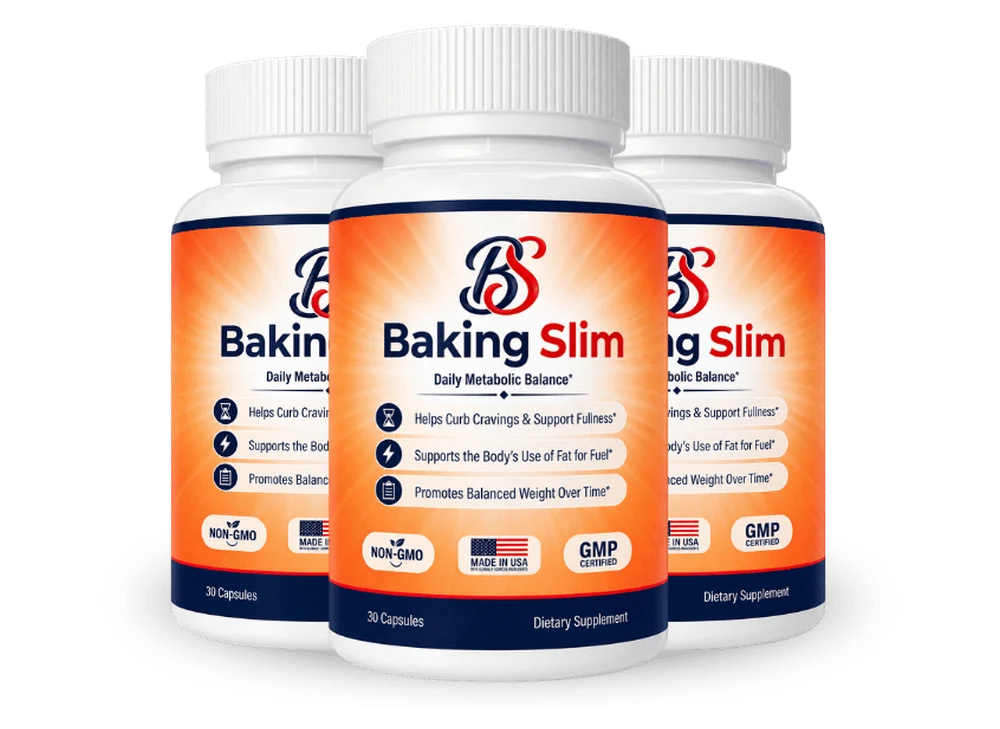
If BankingSlim is part of your daily habits, give it a tiny square of its own, perhaps a small circle you can fill in each day. It is a dietary supplement in capsule form, so follow the directions printed on the bottle label and keep the white bottle with the orange and navy label somewhere you will see it. Our guide on staying consistent with a daily capsule offers ways to keep that circle filled.
Three anchors is enough. Adding more makes the page harder to read and the week harder to enjoy.
Some people add a fourth, flexible square labelled something small and kind, such as a phone call to a friend or an hour with a hobby. It reminds you that a good week is not only about habits; it also includes things you simply like.
Fold in movement and food
Mark two or three walking slots, and write the route beside each: the park loop, the river path, the neighborhood block. A named route is easier to commit to than a vague idea of getting some steps. The CDC physical activity basics page has friendly general ideas for choosing activities.
For meals, a single line per day is enough. Write the colorful thing you plan to put on the plate, such as roasted carrots, a big green salad or a bowl of berries. If you want inspiration, the Dietary Guidelines for Americans website is a good place to browse.
Planning is not about rigidity. A line that says soup on Tuesday does not forbid pasta if the day takes a turn; it simply gives you a starting point.
If you shop at a farmers market, mark the day and bring a tote bag. Our piece on farmers market and fresh plate ideas shows how a single market trip can fill the plan for most of the week.
Review the page every Sunday
The planner earns its keep during a ten-minute weekly review. Sit with a cup of tea and look back at the week. Which days felt smooth? Which felt rushed? What small change would make next week easier?
Write one sentence in the margin and carry it forward. Perhaps it says shoes by the door or prep carrots on Sunday. Over a month, these little lines become your personal handbook of what works for you.
Pairing the review with a weekend tidy makes it easy to remember. For ideas, read weekend reset habits for an easy week, and for a quieter end-of-day companion, see evening wind-down habits.
When you are ready to add a daily capsule to your planner, you can order BankingSlim today, backed by a 60-day money-back guarantee. Packs are 2 bottles at $79 each, 3 bottles at $69 each or 6 bottles at $49 each.
Keep last week's pages in a folder. When a season changes, flip back and see what you enjoyed. Looking at a stack of finished pages is quietly encouraging, and it shows how much steady living you have already done.