A farmers market is a calendar you can taste. Spring greens, summer berries, autumn squash and winter roots each take their turn on the tables, and with a little planning they turn into colorful plates all week. This guide shares a simple market routine and a handful of easy plate ideas you can assemble without a recipe.
Make the market trip a habit
Choose a regular day and time for your market visit and write it in your planner. Bring two sturdy tote bags and a small cooler bag if the weather is warm. Arrive early for the best selection or late for a slower stroll.
Walk the whole market once before you buy anything. Notice what looks freshest and what is new this week. Then circle back and pick a few items that catch your eye.
Chat with the growers. Most are glad to tell you how they like to cook what they sell, and a shared tip is often the start of a new favorite dish.
If you walk to the market, you get a bonus: a pleasant outing with a purpose. Pushing a small cart or carrying a tote on your shoulder adds a gentle bit of effort without anyone calling it exercise. Many regulars turn the trip into a social morning, stopping for coffee with neighbors.
Shop by color
A tidy way to choose is to aim for a rainbow in your tote. Look for something green, something red or orange, something purple and something pale such as cauliflower or potatoes. If your bag looks like a artist's palette, your plates will too.
Do not aim for perfection. A bag with four colors is already a success, and the colors will change with the seasons. In autumn, look for beets and pumpkins; in spring, radishes and peas.
The Harvard Nutrition Source is a friendly place to browse general ideas about building plates from a variety of foods.
Try one unfamiliar item each visit. A purple carrot, a bunch of kohlrabi or a basket of unusual plums keeps shopping interesting. Ask the grower how they cook it, take it home and give it a go. Curiosity is a lovely seasoning.
Three easy plates to assemble
Plate one is a grain bowl. Start with cooked rice or barley, add roasted vegetables, a handful of greens and a spoonful of your favorite sauce. It works warm or at room temperature.
Plate two is a market salad. Toss crisp leaves with sliced cucumber, tomato and a few herbs, add a hard-boiled egg or some beans and finish with olive oil and lemon.
Plate three is a sheet-pan supper. Chop whatever vegetables are on hand, toss them with oil, roast until the edges brown and serve with a simple protein of your choice. Everything cooks together and cleanup is quick.
Keep a jar of homemade dressing in the fridge, perhaps olive oil, lemon, a spoonful of mustard and pepper. A good dressing turns almost any pile of vegetables into a meal worth sitting down for, and it takes two minutes to shake together.
- Grain bowl with roasted vegetables
- Market salad with a hard-boiled egg
- Sheet-pan supper with whatever is in the tote
Store it well, cook it soon
Unpack the tote the moment you arrive home. Rinse leafy greens, wrap them in a clean towel and place them in a container. Put herbs in a jar of water, like a bouquet, and keep roots in a cool drawer.
Plan the delicate items first. Berries, greens and herbs should appear on the early plates of the week, while sturdy squash and carrots can wait for later. This small ordering keeps your market haul tasting its best.
Our guide to balanced plate habits adds more ways to build a colorful plate in a glance, and hydration habits for an easy day pairs nicely with a market-day routine.
If a vegetable is starting to wilt, roast it or simmer it into soup. Almost every wilting vegetable finds a second life in a pot, and a Sunday soup makes a cozy lunch for the days ahead.
Hosting grandchildren? Let them pick one item at the market and help wash and arrange it. Children who choose a vegetable are much more curious about tasting it, and the recollection of the market day is a gift in itself. Our outdoor time habits for every season guide has more ideas for outings you can share.
Fit a daily capsule beside the meals
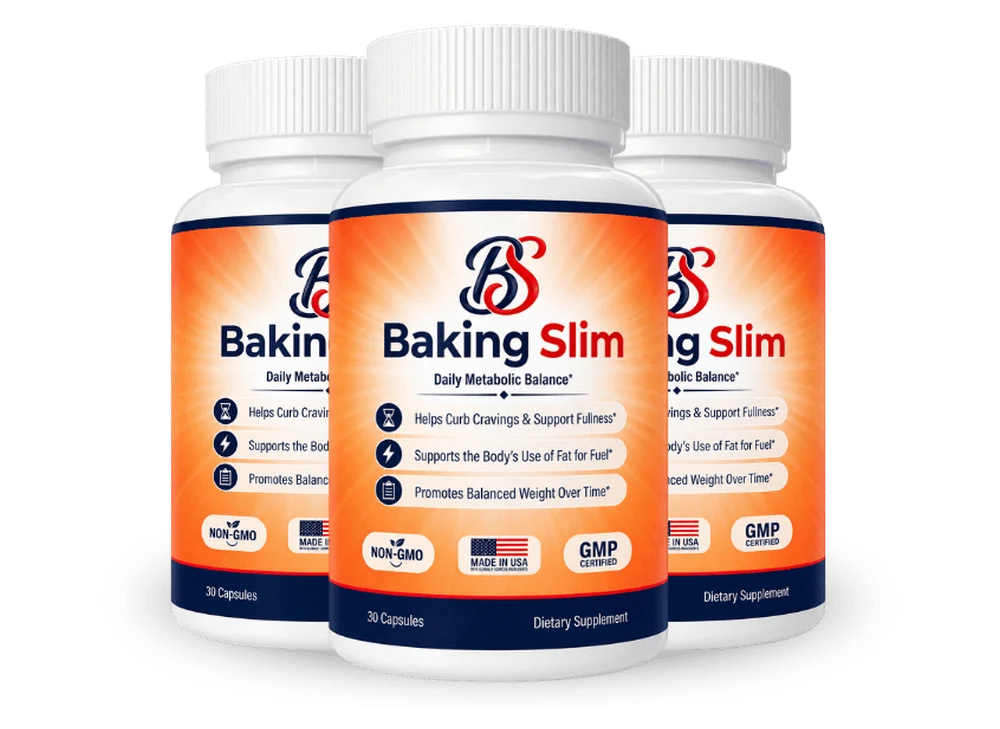
If BankingSlim is part of your day, place the white bottle with its orange and navy label near the spot where you prepare meals. Follow the directions printed on the bottle label, and keep the habit steady. A visible bottle is a friendly cue.
BankingSlim is a dietary supplement in capsule form, and it simply sits alongside the routines you already enjoy: market trips, simple plates and unhurried mealtimes. It does not replace any of them.
If you enjoy reading more about supplements in general, the FDA dietary supplements page is a good place to start. When you are ready, you can order BankingSlim today, backed by a 60-day money-back guarantee.